

Three opportunities to shape the emerging human-digital workforce - By Paul Ruiz
The convergence of big data, computing power and algorithmic advances over the last decade offers a landscape ripe for organisational change leaders to influence the timing, focus and scale at which automation technology is deployed across an enterprise.
In this article I explore three opportunities (and challenges) that intelligent automation presents for business change leaders where the end game is to optimise operations or create new solutions that bridge the gap between information and experience.
1. Get in early and influence strategy
Immerse yourself at the business case and discovery phase. Amplify your efforts in guiding the business through the work needed to shape and articulate benefit targets. How exactly will deploying intelligent automation realise one or more of process efficiency, customer experience uplift, error rate reduction or accelerated speed to market with new products or services? More importantly, how do these local or business unit objectives align with wider organisational strategy? Answers to these questions are critical for prioritising automation opportunities and ensuring they can be measured and evaluated throughout the technical and business change lifecycles.
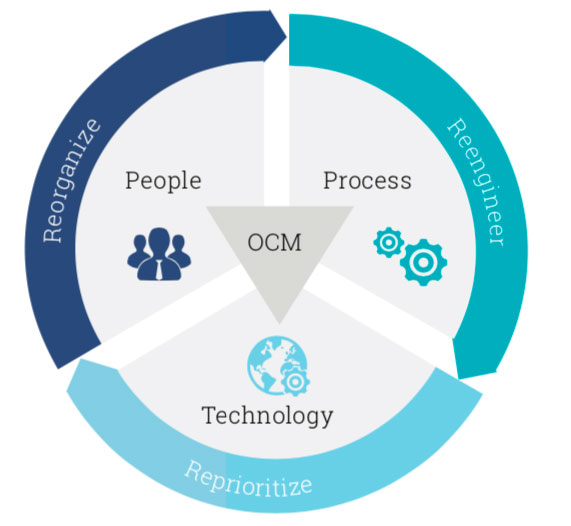
Change practitioners also have a role in influencing, not just receiving, well-designed technology. As technologists work towards solutions for business problems, change practitioners can collaborate and facilitate connections with stakeholders invested in giving voice to impacted customers, both external and internal to the business. This includes focusing on the culture and mindset needed for effective business-technology integration. This goes well beyond preparing communications and training just days before technology deployment.
2. Shape the new world of work
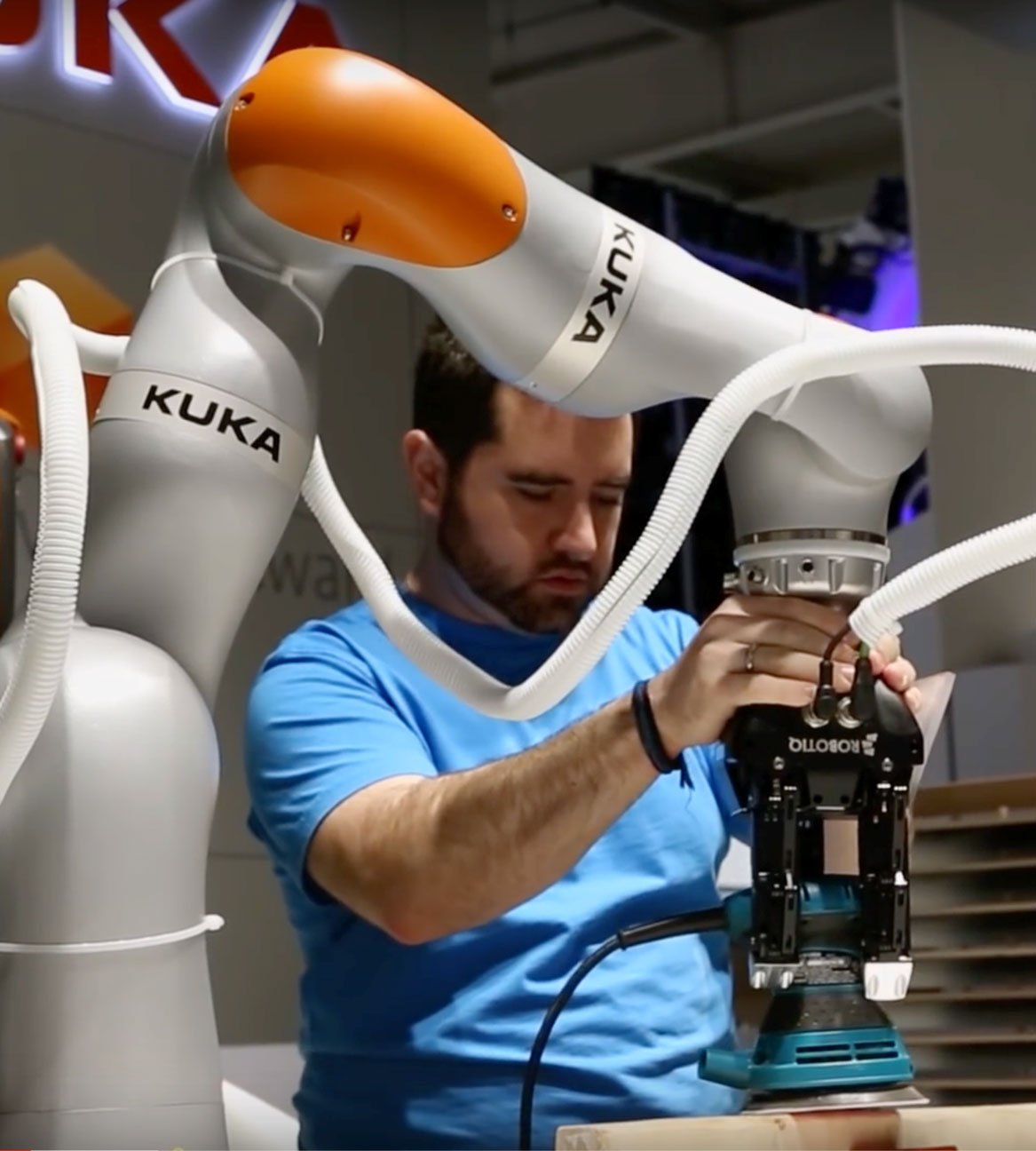
It is important not to be swayed by exaggerated claims regarding the workforce impact of automation. Undoubtedly there will be job losses, but there will also be new and transformed roles emerging.
At this juncture we have an opportunity to shape the evolving world of work.
Organisations can explore how to address re-skilling, redeployment and support mechanisms for people displaced by automation. In many cases, partnering with human resources, organisational design and vocational learning professionals will be essential to assessing impacts and identifying the support required to navigate workplace disruption.
Change leaders will also need to flex their communication capabilities. At the enterprise level this includes interpreting and distilling complex information for executive audiences while building awareness of the human dimension behind automation's perceived benefits. In Shaping the Fourth Industrial Revolution (2018), Klaus Schwab recommends the pursuit of a minimum viable appreciation (MVA) of technology. Whether it involves robotics, cognitive technologies, speech recognition or natural language processing, learning enough to understand linkages between technologies allows change leaders to engage meaningfully with technologists and assess cumulative impacts.
Intelligent automation will offer a new work paradigm that can extend and repurpose skills, domain knowledge and experience.
There is also a tactical role to play in helping to normalise emerging technologies by dispelling misplaced fears, challenging people and their leaders to rethink roles and the skills associated with them. Intelligent automation will extend and repurpose workplace capabilities to support new activities emerging at the intersection of human and machine collaboration.
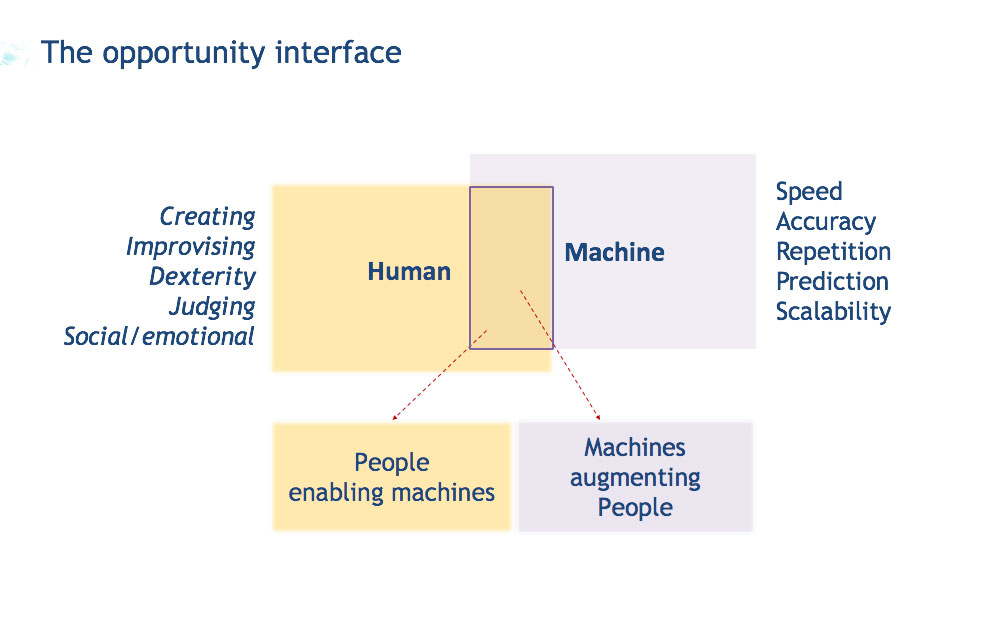
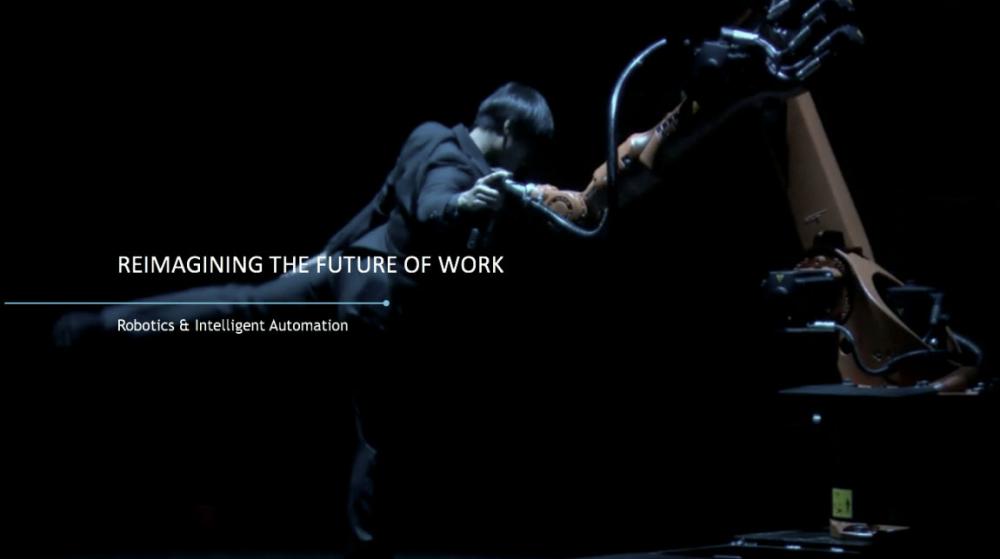
This evolving space represents a new opportunity interface where people continue to enable technology in the human-digital workplace. Industrial robotics firms such as KUKA are already demonstrating effective collaboration between humans and machines, where data-gathering machines work safely alongside people performing delicate tasks. To explore how new roles may evolve at this interface, see Daugherty and Wilson’s Human + Machine: Reimagining Work in the Age of AI (HBR, 2018).
3. Execute and build change agility
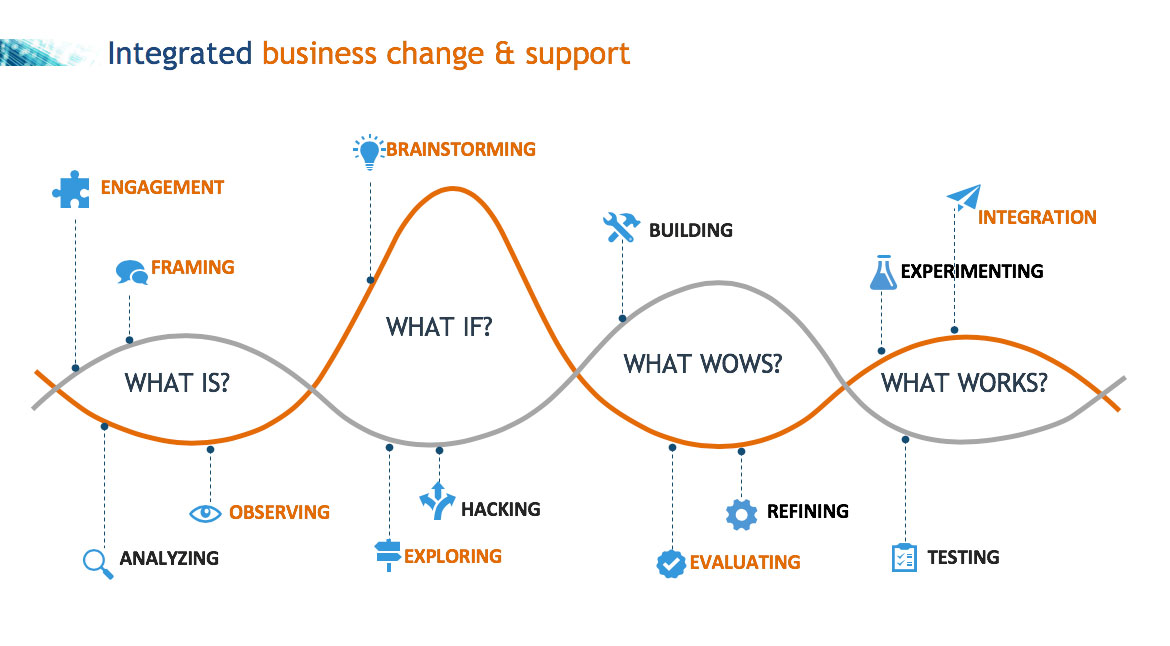
To match the velocity of automation programmes, organisations will require a refreshed and nimble approach to supporting change. Once automation capability is established, process and technical lifecycles can move quickly and require a network of internal change agents who can respond to this pace by:
- Promoting and modelling an adaptive mindset across their circles of influence and business domains
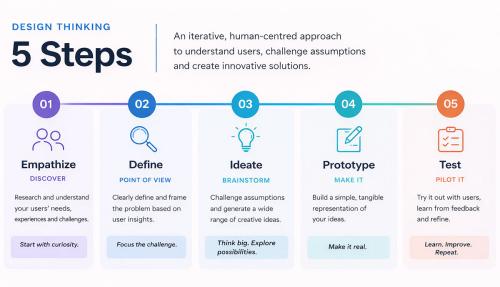
- Adopting human-centred or design thinking frameworks to reimagine processes and redesign roles for new human-digital workflows
- Tracking progress against short and medium-term plans that align with agile iterations and sprints
- Encouraging collaboration and co-creation to test and showcase prototypes with the impacted workforce while championing their input
- Building change management capability across delivery teams and business units by embedding change activities into automation lifecycles and guiding leaders and employees through the transition
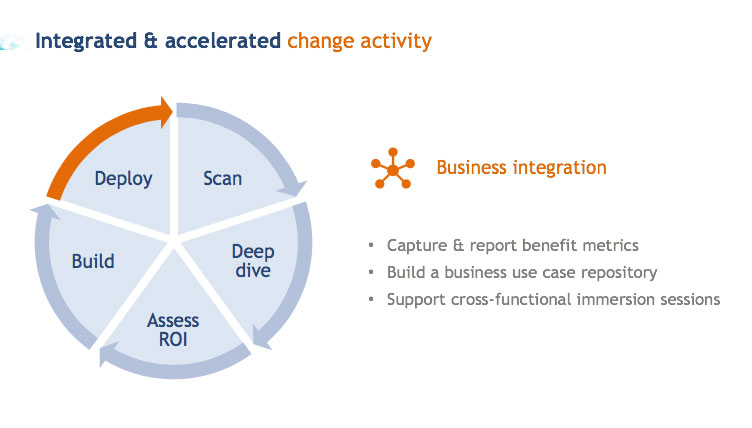
Given the trajectory of emerging technologies supporting automation roadmaps, the ability to engage, synthesise, contextualise and communicate will ensure that business change leaders continue to play a pivotal role in shaping the emerging human-digital workforce. The bots have not mastered that yet.